My Past Work
Film Projects:
Sharks Unknown with Jasmin Graham
PBS Terra
This is a mini-series I hosted and directed. In this series I traveled to shark hotspots in North America to interview some colleagues. Throughout the show we investigate little-known shark species and use cutting-edge technology to solve mysteries about shark biology and ecology. This series showcases the next generation of shark scientists who exemplify the growing diversity in shark science. Here is a look at the first episode. You can watch the rest of the episodes here.
Shark Beach with Anthony Mackie Gulf Coast
National Geographic
This project was produced as part of National Geographic SharkFest. I served as a science host for this show which focuses on the issue of depredation, a phenomenon where a predator (in this case sharks) take some or all of a fisherman’s catch.
Books
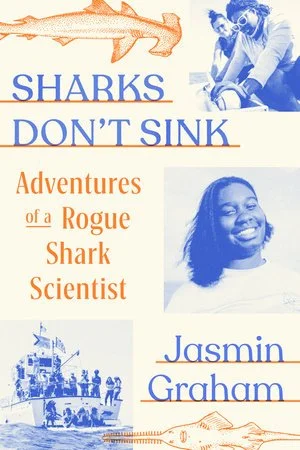
Sharks Don’t Sink: Adventures of a Rogue Shark Scientist
Sharks have been on this planet for over 400 million years, so there is a lot they can teach us about survival and adaptability. For example: how do sharks, which unlike other fish are denser than water, stay afloat? They keep moving. When Jasmin Graham, an award-winning young shark scientist, started to feel that the traditional path to becoming a marine biologist was pulling her under, she remembered this important lesson: keep moving forward.
If navigating the choppy waters of traditional academic study was no longer worth it, then that meant creating an ocean of her own. Jasmin joined with three other Black women to form Minorities in Shark Sciences (MISS), an organization dedicated to providing support and opportunities for other young women of color. She became an independent researcher: a rogue shark scientist, seeking ways to keep these extraordinary endangered creatures swimming free—just like her.
Sharks Don’t Sink is a riveting, moving, and ultimately triumphant memoir at the intersection of science and social justice: a guidebook to how we can all learn to respect and protect some of nature’s most misunderstood and vulnerable creatures—and grant the same grace to ourselves.
In the Media
NPR.org – Round up
TIME – Round up
The Root – Round up
EBONY – Round up
Kirkus Reviews – Review
Publishers Weekly – Review
Science Magazine – Review
Tampa Bay Times – Review
Library Journal – Starred Review
New York Times – Profile
Washington Post – Interview
New Yorker – Mention
TODAY Show – Book Recommendation
CBS Mornings – LIVE in-studio Interview
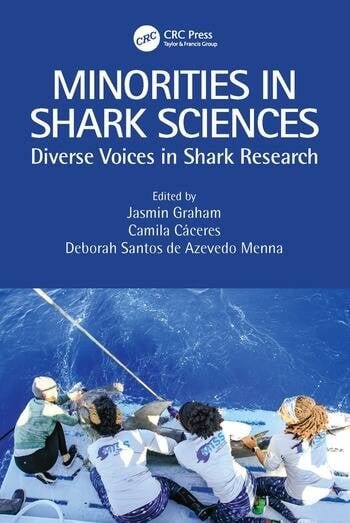
Minorities in Shark Sciences: Diverse Voices in Shark Research
Minorities in Shark Sciences showcases the work done by Black, Indigenous and People of Color around the world in the fields of shark science and conservation. Edited by three minority researchers, it provides positive role models for the next generation. Highlighting new and important research done in the fields of biology, ecology, and evolution, the book places emphasis on scientists with diverse backgrounds and expertise from around the world. The heart of this book is that community and minority voices are important (and have always been) to science regardless of diplomas/universities/accolades/western standards of academia.
Despite the use of the term ‘Minorities’, most of the world’s population do not identify as white nor male, and in fact all "minorities" together comprise the global majority of humans. For those in these historically underserved and underrepresented demographics, it is meaningful to be highlighted and be given credit for their contributions. This book showcases to the world the many Black, Indigenous, People of Color, and LGTBQ+ scientists leading marine conservation, both in terms of scientific research and science communication.
It has been shown in the literature that diversity in scientists creates diversity in thought, which leads to innovation. Strong minority voices are exactly what is needed to bring greater attention to the conservation of sharks, and this book illustrates innovative science by people who were historically excluded from STEM. It highlights the unique perspectives these scientists bring to their field that allow them to interact with stakeholders, particularly in the areas of conservation and outreach.
As we continue to amplify these often-forgotten voices through research, outreach and engagement, we hope to stimulate innovation and transformative change in the field of shark conservation and marine science.
Podcast Appearances
Radio
Live Streams
Sharks4Kids
StemExplore Mentor Virtual Career Connection
Skype a Scientist Live
OceanX Interview
Explorers Club Panel Discussion: “The Amazing World of Sharks”
Panel Discussion with the National Aquarium
Elasmo Week 2020
My work has been featured in