
The top 5 best shark movies as rated by a shark scientist
Shark Movies: Fun and Fictional
Shark movies have occupied a fascinating place in pop culture for decades. For many people, their first “encounter” with sharks happens not in the ocean—but on the big screen. From terrifying thrillers to animated comedies, shark films have shaped how generations perceive one of the ocean’s most iconic predators.
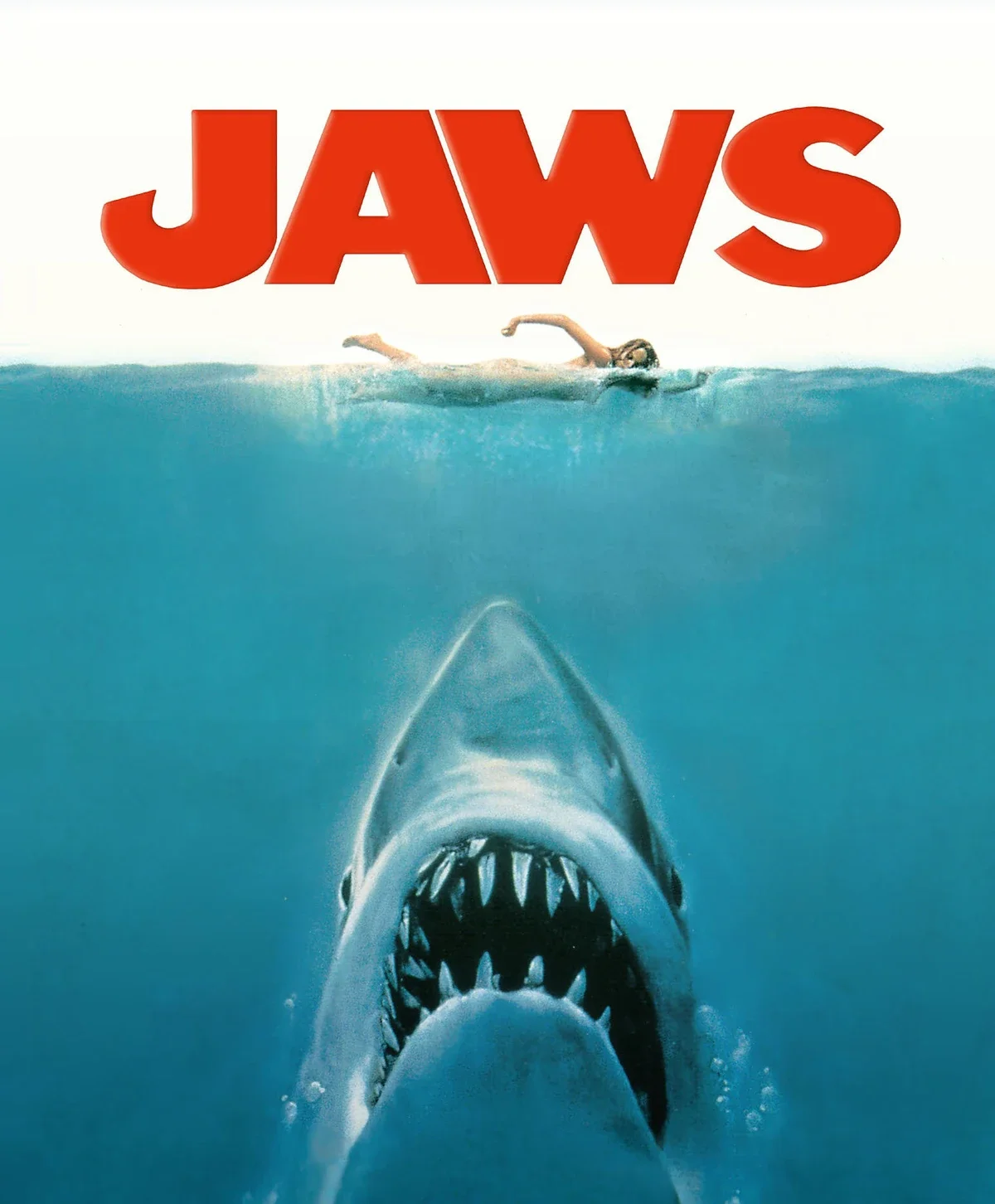
The modern era of shark movies really began with the release of Jaws in 1975. The film was a cinematic milestone that essentially invented the summer blockbuster. But its cultural impact extended far beyond Hollywood. For years afterward, sharks were widely portrayed as ruthless “man-eaters,” reinforcing fear rather than understanding.
Unfortunately, this narrative contributed to widespread misconceptions about sharks. In reality, sharks are critical predators that help maintain healthy marine ecosystems, and like other animals, are just living their lives and not thinking about eating humans at all.
At the same time, shark movies have also inspired curiosity. Many marine biologists—including shark scientists—trace their fascination with sharks back to films they watched as kids. The key is remembering that these stories are works of fiction. When we enjoy them for what they are—entertainment—they can spark interest, imagination, and even the next generation of shark scientists.
As someone who studies sharks and communicates marine science, I’ve watched my fair share of shark movies. Some are thrilling, some are hilarious, and some are delightfully ridiculous. Here are my top five favorite shark movies,
My Top 5
1. Deep Blue Sea (1999)
Rotten Tomatoes Score: 59%
Synopsis:
Scientists working in an isolated ocean research facility are genetically engineering sharks to study treatments for Alzheimer’s disease. Unfortunately, the experiment makes the sharks much smarter than expected, and they begin systematically hunting the researchers trapped inside the flooding facility.
Why I Love It:
It’s the perfect blend of science fiction, suspense, and camp. The film leans fully into the “smart shark” trope while delivering memorable scenes and iconic moments (like Samuel L. Jackson getting eaten mid dramatic speach).
Fact vs. Fiction
Fiction: Sharks suddenly evolving genius-level intelligence.
Fact: Sharks are intelligent animals with strong sensory abilities and learning capacity—but they are not plotting elaborate revenge schemes against scientists.
2. Shark Tale (2004)
Rotten Tomatoes Score: 35%
Synopsis:
This animated comedy follows a small fish named Oscar who becomes famous after falsely claiming he defeated a shark. Meanwhile, Lenny—the vegetarian son of a powerful shark mob boss—just wants to live a peaceful life and not eat fish.
Why I Love It:
It’s funny, colorful, and surprisingly relatable. Plus, the idea of a vegetarian shark trying to escape mob family expectations is iconic.
Fact vs. Fiction
Fiction: Sharks choosing to become vegetarians.
Fact: Sharks are primarily carnivores, though some species like the Bonnethead shark have been shown to digest seagrass along with animal prey. So there are sharks that enjoy their veggies!
3. Jaws (1975)
Rotten Tomatoes Score: 97%
Synopsis:
When a massive great white shark begins attacking swimmers near a beach town, the local police chief, a marine biologist, and a shark hunter set out on a dangerous mission to stop it.
Why It’s a Classic:
It’s arguably the most influential shark movie ever made and remains one of the greatest thrillers in film history.
Fact vs. Fiction
Fiction: A single shark deliberately terrorizing a specific town.
Fact: Sharks do not hold grudges or repeatedly hunt humans in a targeted way.
Conservation Note:
While the film created fear of sharks, it also sparked fascination that eventually contributed to decades of shark research and conservation. Peter Benchley, author of the book Jaws is based on, dedicated the rest of his life to shark and ocean conservation and his legacy lives on through the Peter Benchley Ocean Awards.
4. Ouija Shark (2020)
Rotten Tomatoes Score: 20%
Synopsis:
A group of teenagers accidentally summon the spirit of a killer shark using a Ouija board, unleashing a supernatural ocean predator that begins haunting their town.
Why I Love It:
It’s gloriously absurd. Sometimes the best shark movies are the ones that fully embrace how ridiculous the premise is.
Fact vs. Fiction
Fiction: Ghost sharks summoned through paranormal rituals.
Fact: Sharks are incredible animals, but they are not supernatural entities summoned from the spirit world.
5. 47 Meters Down: Uncaged (2019)
Rotten Tomatoes Score: 44%
Synopsis:
Four teenage divers exploring a submerged Mayan city become trapped underwater while navigating caves inhabited by blind sharks that have adapted to life in darkness.
Why It’s Fun:
The underwater claustrophobia and cave-diving setting create real tension and visually stunning scenes.
Fact vs. Fiction
Fiction: Aggressive blind sharks constantly hunting divers in caves.
Fact: Some sharks, like the Blind shark, have adaptations for low-light environments, but they generally avoid humans.
Fiction: Sharks attacking everything that moves.
Fact: Sharks rely on energy-efficient hunting strategies and rarely waste energy chasing large unfamiliar animals.
Why shark movies still matter
Shark movies are often exaggerated, dramatic, and sometimes downright silly—but they play an important role in our cultural relationship with the ocean. They spark curiosity, inspire storytellers, and occasionally motivate future scientists to learn more about these incredible animals.
The key is separating entertainment from reality.
Sharks are not villains. They are vital to ocean ecosystems, helping regulate prey populations and maintain balance in marine food webs. Today, many shark species face serious threats from overfishing, habitat loss, and climate change.
If a shark movie makes you want to learn more about the real animals behind the fiction, that’s a win for ocean science.
So grab some popcorn, enjoy the suspense, laugh at the absurdity—and remember that the real sharks in our oceans deserve curiosity and conservation, not fear.
